Nimbus
From emergency surgery to beloved house panther
Cats, Rescue, Rehabilitate, Rehome
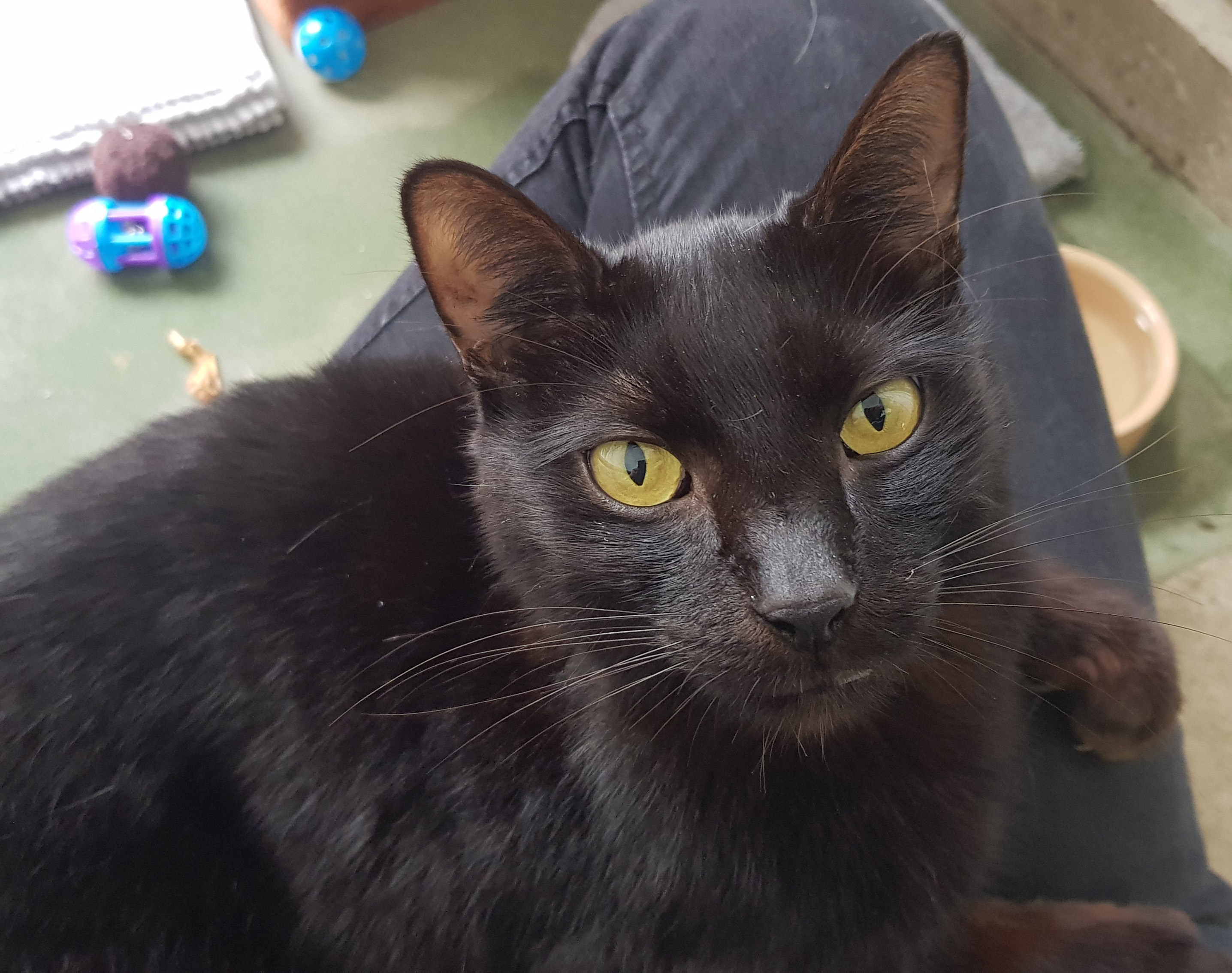
It takes time to get the right dose of insulin medication – to do this our vets had to test Marley’s blood every few weeks by completing what is called a glucose curve. Results are used to adjust his medication and food plan. A glucose sensor implant was a gamechanger in being able to monitor him closely and quickly react to his condition as needed.
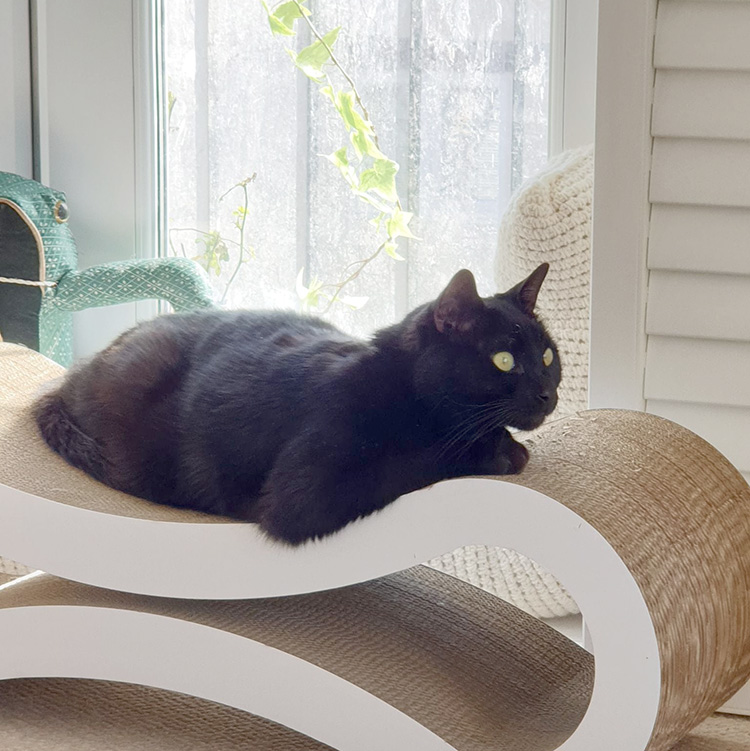
Every day, Marley’s carers gave him two insulin injections spaced 12 hours apart; his diet was also carefully regulated with specialist food weighed to exact measures. With this continuous care over eight months, Marley’s health was stabilised and finally we could be confident in him being adopted. As he waited, a foster home was found for him so he could enjoy some home comforts again (below, and you can see he has gained weight). He was adopted in May.

Cats, Rescue, Rehabilitate, Rehome

Cats, Rescue, Rehabilitate, Cat behaviour

Cats, Rehabilitate, Rehome, Fostering